Living with implants
How Long Do Dental Implants Last?
A dental implant's fixture can last many years, and potentially decades, when it is well cared for. The crown attached to it (the visible cap on top) has a shorter lifespan and may need replacing over time. Long-term studies and registry data show most implants are still in place at ten years, and the factor most within your control is regular professional maintenance.
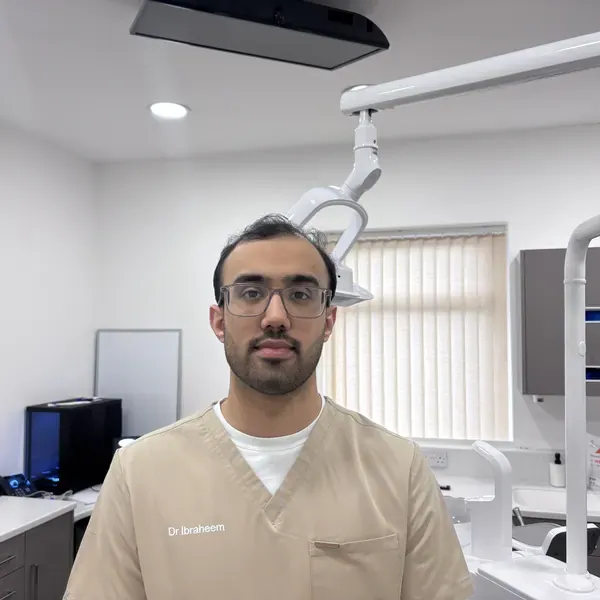 Clinically reviewed by Dr Ibraheem Ijaz, Principal Dentist · GDC 301711 · 500+ implants placed · Last reviewed August 2026
Medical disclaimer: This page is for general information only. It does not replace an examination or treatment by a dentist.
Why the implant lasts longer than the crown
The implant fixture and the crown are two separate parts with different lifespans, because they face very different demands in the mouth. The fixture is a titanium post placed in the jawbone. Once it fuses with the bone through a process called osseointegration, it becomes a stable, long-lasting anchor that rarely needs attention. The crown sitting on top does the visible work of biting and chewing every day, so it is the part more likely to wear, chip, or need replacing over the years. This is expected wear, not implant failure. If you want to understand how dental implants work from placement through to the final restoration, the full journey explains why the two parts age at different rates. In practice, most patients asking how long implants last are really asking whether the result will still look natural and feel dependable in years to come, which is why planning the fixture and the crown for the long term matters as much as the surgery on the day.
What affects how long a dental implant lasts
How long a dental implant lasts depends mainly on gum health, bone maintenance, smoking, and whether you attend regular hygiene and review appointments. The most common long-term threat to an integrated implant is peri-implantitis, an inflammation that can cause bone loss around the implant if it is not managed. Smoking, a history of gum disease, and missed maintenance appointments are all associated with higher risk, while good daily cleaning and healthy surrounding bone help protect against it. Because so much depends on individual health, two people can have very different outcomes from the same treatment. At Deepcar Dental Care, Dr Ibraheem Ijaz judges a lasting result by what he looks for at review appointments: stable bone levels, healthy gum around the implant, and a restoration that still feels comfortable and natural to bite on. For the clinical figures on how often do dental implants fail, the data and what it means for different patient groups are covered in full on that page.
Due a check-up? Book your implant maintenance visit.
How to help your dental implants last longer
You can extend how long your dental implants last with a few consistent habits that protect the surrounding bone and gum.
1. Clean around the implant every day using interdental brushes or a single-tufted brush to keep the gum healthy.
2. Attend your hygiene and review appointments so problems are caught early.
3. Avoid smoking, which is one of the strongest risk factors for late implant problems.
4. Report any bleeding, swelling, or looseness promptly rather than waiting.
5. If you grind your teeth, ask about a nightguard to protect the crown from excess force.
Following a structured dental implant maintenance schedule is the most reliable way to protect the long-term result, and evidence consistently shows that patients who keep up regular professional care have far lower rates of peri-implant disease. Many patients at Deepcar Dental Care tell us that after healing, caring for an implant feels no different from looking after their other teeth.
When to speak to your dentist
Speak to your dentist if you notice bleeding, swelling, looseness, or discomfort around an implant, as early attention protects its lifespan. These signs do not always mean something is wrong, but they are worth checking, because peri-implant problems are far easier to manage when found early. You should also mention any change in how the implant feels when you bite. This guidance is general and is not a diagnosis, so a clinical assessment is always the right next step if anything feels different.
Questions, answered
Frequently asked questions
Do dental implants ever need replacing?
The titanium fixture rarely needs replacing once it has fused with the jawbone, but the crown on top can wear or chip over the years and may need renewing. This split lifespan is normal and expected, and replacing a crown does not mean the underlying implant has failed.
Can a dental implant last a lifetime?
A well-maintained implant fixture can last many years and, for some patients, a lifetime, though no dentist can guarantee it. Longevity depends heavily on gum health, bone maintenance, and regular care. The crown is more likely to need attention over time, even when the implant beneath it remains sound.
Does the NHS replace dental implants?
Dental implants are not routinely available on the NHS and are usually provided privately. Where the NHS does fund implant treatment in specific medical cases, that funding runs for a set period, after which any replacement crowns or dentures are arranged through your local dentist. This period is a funding term, not a measure of how long the implant itself will last.
Are dental implants worth it if the crown needs replacing?
Many patients feel implants remain worthwhile even though the crown may need renewing, because the fixture itself is durable and stable. Whether the long-term value stacks up for you is a personal decision, and the case for it is set out honestly on our guide to whether are dental implants worth the money.
Ready when you are
Book your implant assessment.
Online in under a minute, or call and speak to a real person.