Complications
Dental Implant Complications: What Can Go Wrong
This page is for anyone with a dental implant, or considering one, who wants a clear picture of what can go wrong and how each problem is handled. It introduces the seven main complication topics, links to a detailed guide on each, and explains when to seek help. The core takeaway: serious complications are uncommon, and most problems are manageable when caught early.
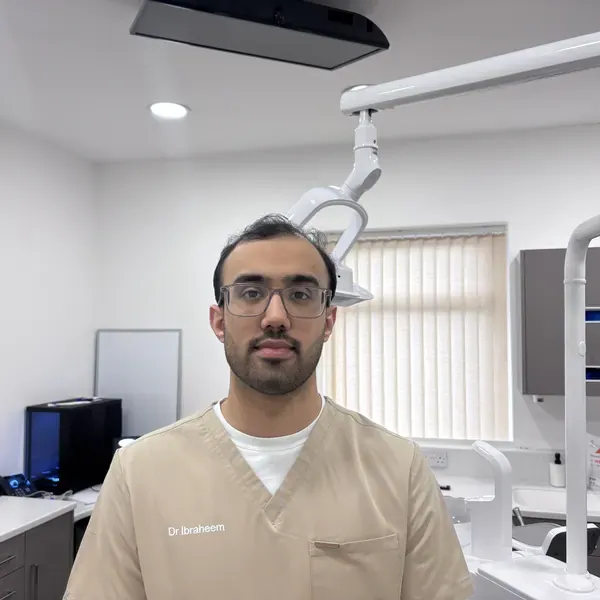 Clinically reviewed by Dr Ibraheem Ijaz, Principal Dentist · GDC 301711 · 500+ implants placed · Last reviewed August 2026
Medical disclaimer: This page is for general information only. It does not replace an examination or treatment by a dentist.
What can go wrong with a dental implant?
Dental implant complications fall into two groups: biological issues affecting the gum and bone, and mechanical issues affecting the crown or fixture. Most patients reading about complications want to know which signs matter and when to act. Serious complications are uncommon, and early detection is one of the biggest factors in resolving any that arise.
The seven implant complication topics
The topics below cover the concerns patients raise most often, from failure and infection to post-surgery pain and crown damage.
Implant failure: if an implant feels loose or painful after healing, our guide on dental implant failure signs explains what to look for.
Peri-implantitis: peri-implantitis (infection and bone loss around an implant) and its reversible early stage, peri-implant mucositis, are covered in our guide to implant infection symptoms.
Pain after surgery: some early discomfort is normal, and our guide on pain after dental implant surgery sets out the timeline and warning signs.
Loose crown: a crown that loosens or comes away is usually straightforward to address, as our guide to a loose implant crown explains.
Nerve issues: altered sensation such as a numb lip is an uncommon surgical risk, explained in our guide to nerve damage after dental implant.
Crown fracture: a chipped or cracked crown can usually be repaired or replaced, as covered in our guide for an implant crown fractured.
Failure rates: to see how likely these issues really are, our guide on how often do dental implants fail sets out the evidence.
Concerned about an implant? Call us — do not wait.
What happens if an implant problem is confirmed?
Most confirmed implant problems can be treated, and a failed implant does not mean the end of implant treatment. Dr Ijaz places, restores and revises implants in-house, so the clinician who assessed you manages any follow-up and owns the outcome. If an implant cannot be saved, replacing a failed dental implant is often possible once the cause is understood.
Questions, answered
Frequently asked questions
How will I know if I have an implant complication?
Watch for change: new looseness, swelling, persistent or increasing pain, bleeding, or an altered bite. A healed implant should feel stable, so anything different is worth reporting, and our list of dental implant symptoms to watch for can help.
Does a complication mean my implant has failed?
No. A complication and a failure are not the same thing. Reversible gum inflammation or a loose crown are treatable and do not mean the implant is lost. Failure means an implant that no longer integrates with the bone and needs removal.
Can implant complications be prevented?
Many can be reduced. Good daily cleaning, not smoking, and regular hygiene and review appointments all lower the risk of biological problems. No implant is risk-free, but consistent maintenance gives the best long-term outcome.
For the full picture of treatment, visit our dental implants overview.
Ready when you are
Book your implant assessment.
Online in under a minute, or call and speak to a real person.