Cost and finance
Dental Implant Cost UK: What Does a Dental Implant Cost in 2026?
This guide is for anyone weighing up dental implant treatment in the UK and wondering what it really costs in 2026. It explains typical price ranges for single, multiple and full-arch implants, what makes up the fee, how NHS and private options differ, and how finance can spread the cost. The takeaway: an implant is a long-term investment priced by case, not a fixed number.
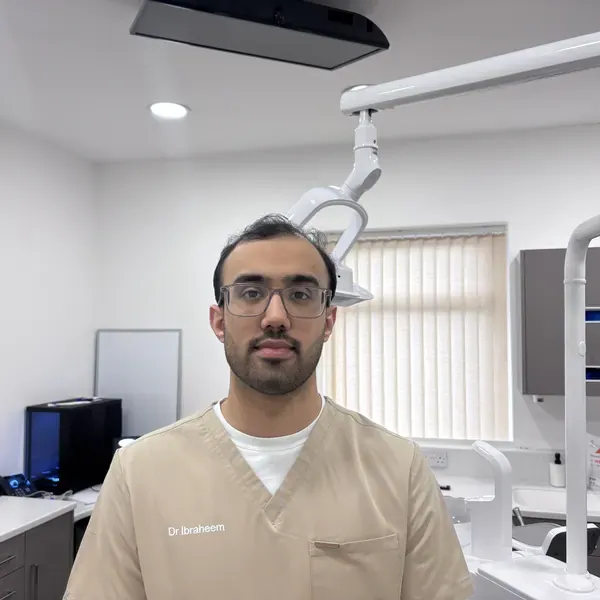 Clinically reviewed by Dr Ibraheem Ijaz, Principal Dentist · GDC 301711 · 500+ implants placed · Last reviewed August 2026
Medical disclaimer: This page is for general information only. It does not replace an examination or treatment by a dentist.
How much does a dental implant cost in the UK in 2026?
A single dental implant in the UK typically costs between £2,000 and £3,500 privately in 2026, covering the fixture, abutment and crown.
That range exists because "a dental implant" is not a single item. It is a stack of parts and stages: the surgery to place the titanium fixture (the implant's artificial tooth root), the abutment (the connector between the fixture and the crown), and the crown that sits on top, plus planning and imaging beforehand. A lower advertised figure sometimes prices only the fixture, with the crown or any bone work added later, which is why two quotes for "one implant" can look so far apart. Replacing several teeth costs more, and full-arch solutions are priced per arch rather than per tooth, so it helps to know which treatment you are actually comparing before you start. Implants are almost always a private treatment in the UK, as NHS funding is reserved for exceptional cases. Because bone condition and case complexity differ from person to person, the figures on this page are a general guide. A firm price is only possible after a clinical assessment, and you can see current ranges on our fee guide before you commit to anything.
What makes up the cost of a dental implant?
The fee covers four things: the surgery, the implant fixture, the abutment, and the final crown, along with planning and imaging.
Understanding this breakdown is what lets you compare quotes fairly. The fixture is a precision-engineered, medical-grade component from an established implant system, and the crown is custom-made to match your other teeth. Between them sit the surgical placement, the abutment, the 3D scan that maps your bone, and the aftercare that follows. When a headline price looks unusually low, it is usually because one of these parts has been left out of the figure rather than out of the treatment.
Many people who ask about implant cost are really asking whether the price is justified. In practice, the fee reflects medical-grade, precision-engineered components, the surgical skill and planning behind each case, and the responsibility a practice takes for putting things right if anything ever needs attention.
What affects the cost of a dental implant?
Implant cost varies with the number of implants, your bone condition, the implant brand, crown material, and whether sedation or imaging is needed.
The single biggest variable is often whether bone grafting or a sinus lift is required, which can be the case when teeth have been missing for a while. Implant brand and crown material also move the price, and the same missing tooth can be quoted differently depending on the implant system a practice uses. None of these are hidden extras when they are explained upfront. Each of these is worth asking about at your consultation so you can see what affects dental implant cost and compare like for like.
Every case is priced individually. Get yours in writing.
How much do implants cost by treatment type?
Cost rises with the number of teeth replaced, from single implants up to full-arch treatment priced per arch.
As a general UK guide in 2026, a single-tooth implant is around £2,000 to £3,500, replacing several teeth with an implant bridge (several teeth supported on two or more implants) is higher, and full-arch treatment such as All-on-4 is priced per arch and typically falls in the region of £9,000 to £18,000 per arch, with both arches costing more again. These are typical national ranges rather than a Deepcar quote, and your own figure depends on your assessment. If you are replacing a whole arch, how much does All-on-4 cost breaks the full-arch price down in detail. For many patients, spreading the cost into monthly payments puts implants within reach, with any interest-free option set out on our finance page.
Are dental implants worth the cost?
For many patients implants offer strong long-term value, though the upfront cost is higher than dentures or a bridge.
Evidence suggests that around 95% of dental implants are still functioning at ten years, and by stimulating the jawbone they help maintain its structure in a way removable options do not. Because a well-maintained implant can last many years, patients often avoid the repeat costs that come with replacing dentures or bridges over time. That said, the cheapest quote is not automatically the best value, a low headline price can exclude the crown or preparatory work, and implants are not suitable for everyone without some groundwork first. Implants are also not guaranteed to last forever. If you are weighing the numbers over the long term, are dental implants worth the money looks at the ten and twenty-year picture in more detail.
At Deepcar Dental Care, Dr Ibraheem Ijaz has placed and restored more than 500 implants since 2022, and each case is managed in-house from planning through to the final crown, so one clinician stays accountable for the result. Patients often describe the clear, unhurried explanations as what made the decision feel less daunting.
Every case is priced individually. Get yours in writing.
Can you get dental implants on the NHS?
Dental implants are only funded on the NHS in exceptional cases, so most UK patients pay for them privately.
NHS-funded implants are generally limited to severe situations, such as reconstruction after major trauma or head and neck cancer, or certain congenital conditions, and those decisions are made by consultants in hospital settings rather than in a high-street practice. Where an implant is provided on the NHS, it falls within the Band 3 charge, which is £332.10 in England for the 2026 cycle. For routine tooth replacement, private treatment is the standard route, which is why comparing private quotes carefully matters so much. If you would like to understand the whole treatment first, you can read about our dental implants from first consultation to final crown.
Questions, answered
Frequently asked questions
How do I compare two dental implant quotes fairly?
Check that both quotes cover the same stages before comparing the totals. Ask whether each figure includes the full restoration and any imaging, and whether bone grafting is priced in or added later. Comparing a complete quote against a fixture-only price is the most common budgeting mistake.
Does the price include the crown?
Not always, so confirm it in writing. A complete quote covers the fixture, the abutment and the final crown, but some prices list the fixture alone. The abutment in particular is sometimes billed separately, so ask specifically whether both the abutment and crown are included in the figure you are given.
Can I pay for dental implants monthly?
Yes, most patients spread implant costs over monthly instalments. What you pay each month depends on the total treatment size, any deposit, and the length of the term you choose, so a single implant and a full arch look very different monthly. An interest-free period is sometimes available depending on the plan.
Are cheap dental implants abroad worth it?
It depends, and cost is only part of the picture. Treatment overseas can look cheaper upfront, but follow-up care, warranty and any corrections are harder to arrange from another country. Weigh the headline saving against aftercare, continuity and the practicalities of returning if something needs adjusting later.
How long do dental implants last for the money?
A well-cared-for implant can last many years, which is central to its value. The crown on top usually wears sooner than the titanium fixture beneath it and may need replacing first. Spreading a durable result over a long lifespan is why implants often work out economical over time.
Will I need extra treatment that adds to the cost?
Sometimes, depending on your bone and gum health. If a tooth has been missing for a while, bone grafting or a sinus lift may be needed before an implant can be placed, which adds to the total. A consultation and 3D scan show whether any groundwork is required, so your quote reflects your actual case.
If you have worked through the costs on this page, you probably have a clearer sense of whether implants are the right direction for you. The next step is a conversation with a clinician who can look at your own mouth and give you a firm figure.
Ready when you are
Book your implant assessment.
Online in under a minute, or call and speak to a real person.